
[ad_1]
First described by Alois Alzheimer in 1906, Alzheimer’s disease (AD) is a progressive neurologic disorder that disrupts memory and thinking. It is something most of us are afraid of developing and some clinical trials have shown memory loss can be reserved.
Despite understanding a lot about its symptoms, two big questions remain.
What causes Alzheimer’s? When will there be a definitive cure for AD?
Unfortunately, we don’t have one cause or a known cure. But based on what science has shown us, AD likely develops from an interaction between your aging brain, genes, lifestyle, and environment.
In Ireland, the number of people living with dementia is to double by 2050 in line with the country’s growing older population, according to a new report. People diagnosed with the disease will increase from an estimated 55,000 in 2018, to 141,200 people by 2050.
Far afield, nearly 6 million Americans older than 65 are living with Alzheimer’s and that could grow to 14 million by 2050, according to the USA’s Centers for Disease Control and Prevention (CDC). Yet, many people, sometimes even those diagnosed, hold “myths” or misconceptions about Alzheimer’s.
Globally, this growing trend is also noticeable with 40 million people around the globe diagnosed and costing over $1 trillion annually, says Doctor Dale Bredesen from Apollo Health.
It seems all populations share this terrifying trend with the exception of indigenous groups in the Bolivian Amazon.
So how do you know if these pesky memory loss incidents are early signs of Alzheimer’s?
In this article Dr. Nancy Sicotte neurologist, and chair of the Department of Neurology at Cedars-Sinai debunk 13 common Alzheimer’s myths.
1) Alzheimer’s Disease and Dementia Are the Same Thing
While often used interchangeably, dementia and Alzheimer’s disease are distinctly different but closely related terms.
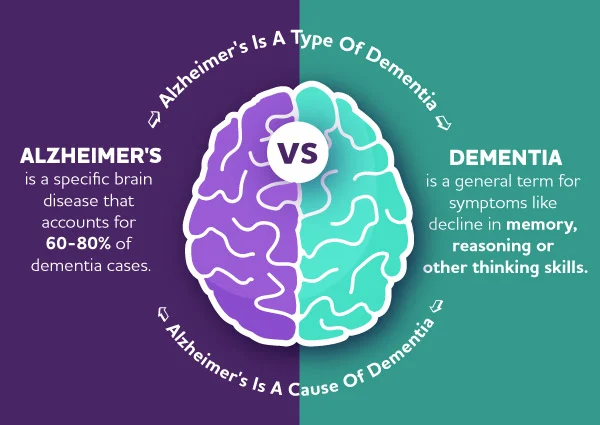
“One of the biggest misconceptions about dementia is that every kind of memory loss someone might experience is Alzheimer’s disease—and that’s not true”
Dementia is the general term for a progressive syndrome characterized by forgetfulness, difficulty thinking and reasoning, emotional instability, paranoia, and, in some cases, aggression. Alzheimer’s is the most common form of dementia, accounting for 60-80 percent of all dementia cases.
2) Will I Develop Alzheimer’s Disease if My Parent Has It?
After watching a parent succumb to Alzheimer’s, it’s only natural to wonder, “Am I next?”
The good news: genes are only one part of the equation, and 99 percent of Alzheimer’s cases are not hereditary.
“Even though family history adds to the overall risk, age still usually trumps it quite a bit. It means your risk is higher, but it’s not that much higher if you consider the absolute numbers,”
According to Dr. Gad Marshall, assistant professor of neurology, Harvard Medical School.
3) Memory Loss Is a Natural Part of Aging
The human brain is “crazy busy”—jumping all around, sorting and retrieving all kinds of information. So, it’s normal to forget things as you age. But Alzheimer’s symptoms like forgetfulness affecting daily activities, such as keeping appointments or taking medications, and becoming disoriented about times or places, are not.
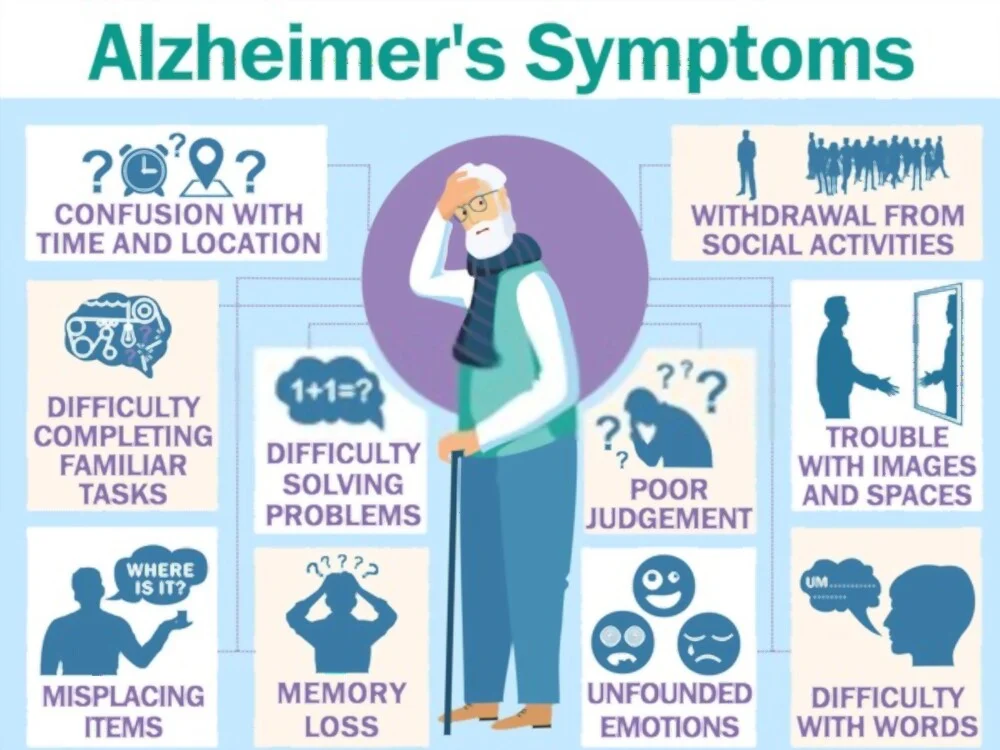
“Alzheimer’s is not equivalent to an inconvenience or trivial absentmindedness – it causes loss of independence within five years of symptom onset and is eventually fatal after an average of 10 years”
According to Dr. Sam Gandy, Mount Sinai Chair in Alzheimer’s Research.
4) Alzheimer’s Disease Is not Fatal
Alzheimer’s disease is the 6th leading cause of death in the US. The Alzheimer’s Association notes that out of the top 10 causes of death, Alzheimer’s is the only disease that cannot be slowed, reversed, or cured with traditional treatments.
Dr. Dale Bredesen has developed protocols to address reversal and prevention, stating Alzheimer’s has become optional.
“While the actual neurological impairments Alzheimer’s causes are not direct causes of death, they do lead to an increased risk of death,”
says Dr. Christine Bishara, an internist in New York. Death in Alzheimer’s patients is usually due to pneumonia, cardiovascular disease, pulmonary embolism, malnutrition, and dehydration. Injuries from falls and delirium also impact the death rate.
5) Only Older People Can Get Alzheimer’s
Although it’s rare, about 5 percent of Alzheimer’s diagnoses have an early onset (EOAD), sometimes called “younger onset”.
This generally means Alzheimer’s can affect someone in their 30s, 40s, or 50s.
Though the exact cause of early onset remains unclear in most cases, genetic risk plays a larger role than in later onset AD.
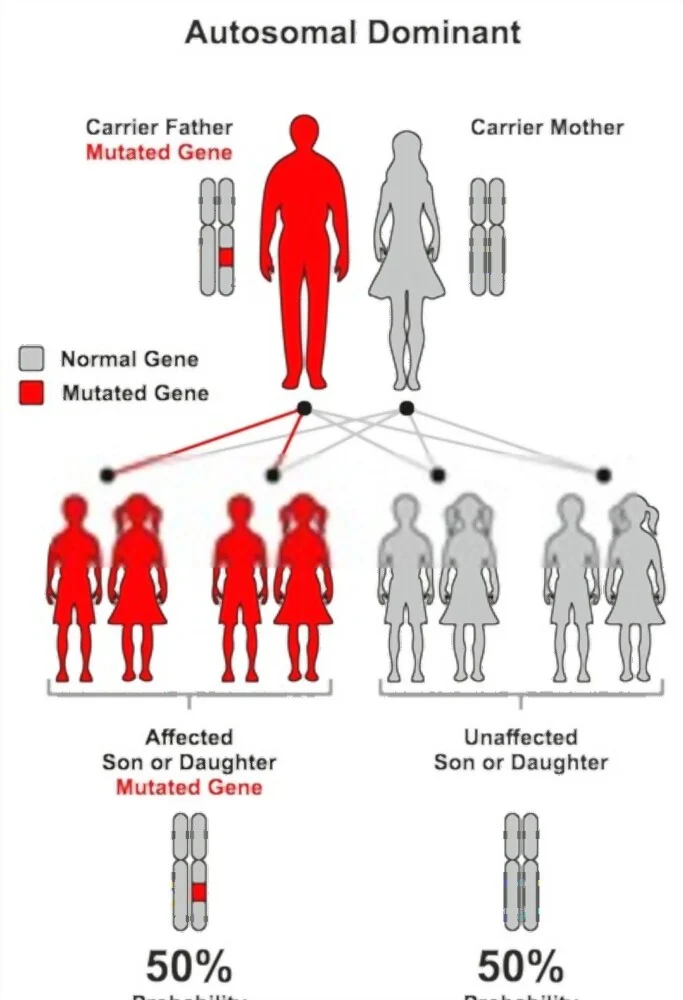 in the Amyloid precursor protein (APP) gene, Presenilin-1 gene, and Presenilin-2 gene have been identified, and they account for about 5 percent of all EOAD cases.
6) Alzheimer’s Can Be Caused by Aluminum, Flu Shots, Silver Fillings, or Aspartame
Even after 30+ years, the Aluminum Hypothesis of Alzheimer’s is far from being demonstrated because of the mixed and inconclusive evidence.
If aluminum plays any role, it’s very small. And there are many other, much more important risk factors to study,” says Dr. Amy Borenstein, now a Professor of Epidemiology at the Herbert Wertheim School of Public Health and Human Longevity Science, UC-San Diego.
If Alzheimer’s is your worry, limit excessive exposure and keep your mind active and your body healthy.
Research showed that aspartame could play a very small role in some occupational settings.
There were also theories that flu vaccine and silver dental fillings are risk factors for Alzheimer’s. However, the evidence doesn’t yet show these things directly cause Alzheimer’s since an association doesn’t prove causality. There does not appear to be any link between the flu shot and AD. In fact, a UTHealth Houston study showed that flu shots may reduce the risk of AD by 40 percent.
7) There Are Treatments Available to Cure Alzheimer’s Disease
We are still years away from a definitive cure for Alzheimer’s. However, some supportive medications like Aricept and Namenda can temporarily improve symptoms.
In 2021, the FDA approved Aduhelm (aducanumab), a monoclonal antibody that targets the underlying pathophysiology of Alzheimer’s disease. The clinical effects of the drug were modest but showed a potentially disease-modifying effect. In the statement issued, Patrizia Cavazzoni, M.D., director of the FDA’s Center for Drug Evaluation and Research, said,
“Currently available therapies only treat symptoms of the disease; this treatment option is the first therapy to target and affect the underlying disease process of Alzheimer’s. As we have learned from the fight against cancer, the accelerated approval pathway can bring therapies to patients faster while spurring more research and innovation.”
The two large clinical trials testing Aduhelm’s ability to slow cognitive decline were mixed, and there are potentially serious side effects, the most serious being amyloid-related imaging abnormalities (ARIA).
8) You Can Buy Supplements Online to Prevent or Cure Alzheimer’s Disease
A few trials of natural products like Ginkgo biloba for the improvement of cognitive function in healthy individuals and those suffering from Alzheimer’s have shown some modest effects, but direct evidence is lacking.
Nutrition plays a big part in maintaining the body and brain healthy so do get advice from a nutritionist and optimize your nutrition plan.
9) Doctors Cannot Definitively Diagnose Someone With Alzheimer’s Disease Until After Death
Alzheimer’s diagnosis is never straightforward. According to the Alzheimer’s Association, there isn’t a single definitive diagnostic test for AD.
Traditionally, AD diagnosis relied on brain biopsies. Now, there are clinical diagnostic criteria and biomarkers that let clinicians diagnose AD clinically with sensitivities ranging between 85-90 percent, although biomarkers are often not utilized due to patient preference (such as not wanting a lumbar puncture, which requires a needle inserted into the lower back) and insurance coverage issues.
10) An At-Home Genetic Test Can Tell Me if I Have (or Will Have) Alzheimer’s Disease
At-home genetic testing kits for Alzheimer’s markers may give hints about the likelihood of developing the disease.
“it’s important that people understand that genetic risk is just one piece of the bigger puzzle,”
said Dr. Jeffrey Shuren, director of the FDA’s Center for Devices and Radiological Health, in a statement.
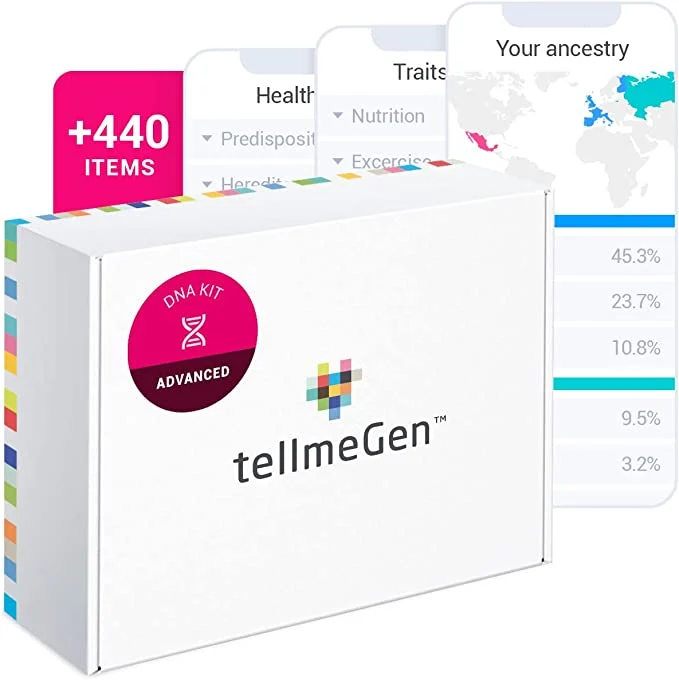

Experts have found that inheriting one or two copies of APOE4 does not mean that you will definitely develop Alzheimer’s, and not having the variant doesn’t put you in the clear. “It’s a statistical risk, but it’s not an absolute risk,” says Dr. Marwan Sabbagh, MD, a behavioral neurologist in the Alzheimer’s and Memory Disorders Program and a professor in the Department of Neurology at Barrow Neurological Institute.
11) Researchers Know What Causes Alzheimer’s
Alzheimer’s disease develops as we age, when the brain cells responsible for memory and other cognitive functions begin to shrink or die. Over the past few decades, scientists have blamed Alzheimer’s on misfolded proteins, gene mutations, alterations in neural pathways, lifestyle factors, and even the environment.
There are no complete answers yet, although amyloid beta clumping, hyperphosphorylated tau tangles, and neuroinflammation play important roles.
“Alzheimer’s is so common in people at an advanced age that I think it can only be either some intrinsic property of the brain or an infection”
Concluded Bryce Vissel, an Australian neuroscientist.
12) Both Genders Are at Equal Risk for the Disease
While Alzheimer’s disease does not discriminate, it does hit women harder than men.

According to the Alzheimer’s Association ‘s Alzheimer’s Disease Facts and Figures, women over 65 have a 1-in-6 chance of developing memory loss, while men of the same age have a 1-in-11 chance. Much of this gender gap may be due to a combination of factors, including age, sex chromosomes, hormones, stronger immune responses in women, or genetic risk factors like APOE4.
A previous study showed that “being a caregiver is, in itself, a risk factor for Alzheimer’s disease,” which was pointed out by Dr. Annemarie Schumacher, President of the Women’s Brain Project (WBP), Switzerland.
13) Alzheimer’s Disease Cannot Be Prevented
You can’t change your age and genes, but you can certainly take a few steps to lower the risk of Alzheimer’s disease.
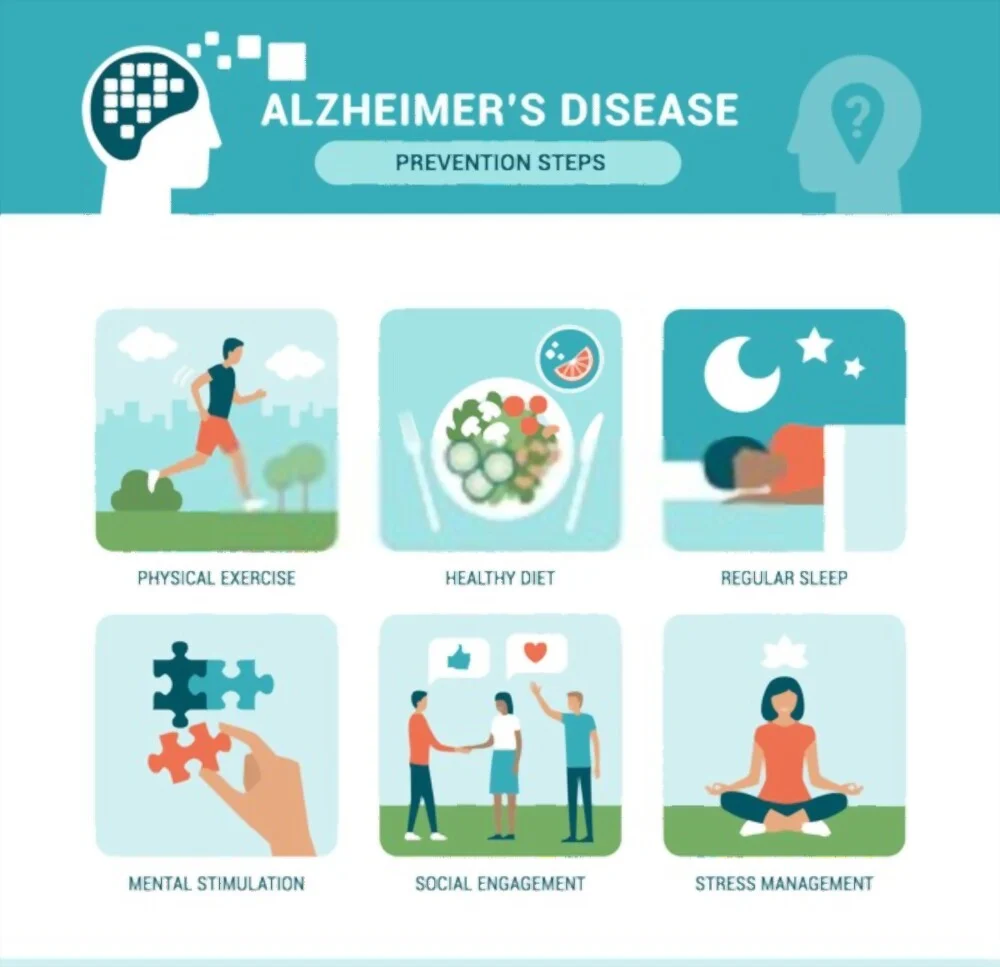
“Research shows that up to 40 percent of currently diagnosed cases of Alzheimer’s could have been prevented if we had known then what we know now about lifestyle risks”
Says Neuropsychologist Jessica Caldwell, Ph.D.
Staying mentally and physically fit, eating right (preferably a Mediterranean diet), getting enough sleep, and keeping a positive attitude are all good ways to fight off cognitive impairment.
David Snowdon’s Nun study is great supportive evidence. This revolutionary experiment is based on periodic genetic and physical evaluation of a group of 678 nuns (aged 75 to 107 years) of the School Sisters of Notre Dame. The study demonstrated that nuns who exhibited a positive mental outlook early on in their life were more likely to live longer and less likely to develop Alzheimer’s.
In Summary
Alzheimer’s disease currently has no cure. Researchers are leading the fight by advancing their understanding of the disease, discovering potential ways to lower the risk, and developing promising diagnostic and treatment modalities. Clearing up the misconceptions will help you understand Alzheimer’s, how to respond to friends and family who may be affected, and speak to your physician about the latest treatments.
[ad_2]