
[ad_1]
Threading the longevity realm of scientists such as Dr. David Sinclair, this article examines why skincare is currently the focus of longevity research.
Starting from the premise that a cell is a cell, if you can crack the code for one human cell, it is only a matter of time to solve the puzzle with different types of cells – and skin is, without doubt, the most visible cells each of us have.
As a result of modern society’s view of aging as something “bad” and young or looking young as the ideal, skin is now an industry worth billions of dollars, or to be more specific, facial skin is. So billions and billions of dollars are poured each year by consumers into all sorts of treatments to minimize wrinkles, push back the effects of gravity, and turn back the hands of time.
And with so much money to be spent by consumers, there are many manufacturers eager to cater to their needs and banish the culprit – to arrest Father Time, or at least detain him, until the next coach arrives, where hopefully he can be encouraged to move on before too much damage can be done.
Don’t get me wrong. I have nothing against the practice! In fact. I have been conducting experiments on myself, injecting bio-stimulators and stem cells into my skin for a number of years. Aging “gracefully” is only a personal choice.
But there is more to aging than just aesthetics. The most causes of death are what we have come to understand as “age-related”. Basically, the longer we live, the more likely we are to develop heart disease, cancer, or Alzheimer’s, amongst other diseases. Therefore, a reasonable thing one can do to prevent the development of age-related diseases is to, well, not age. That’s actually not as flippant as it sounds.
If the story behind antiaging and longevity is to keep time in check, its main protagonist is what holds DNA together. Let me explain. Some time ago a friend gave me a simple analogy that puts this entire issue in perspective. The science within the explanation may not win a Nobel Prize, but it gave me the necessary ah-ha moment.
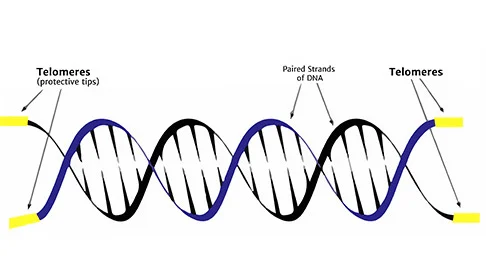
The double helix of the DNA strand – our most basic foundation for life – is held together at each end by things that act in the same way as the hard plastic bits on the end of shoelaces do – preventing the DNA from unraveling, and the individual chromosomes scattering across the floor like dropping a string of pearls down a marble staircase. These things are called telomeres.
Somewhere programmed into these tiny telomeres is the entire basis for how long the DNA stays intact – and by inference, these are the keys to the length of life of the organism.
In other words, somewhere written into the telomere is a great musical score but like all musical scores, it has a double bar somewhere to signify the end, but is it to be a minute or a Wagnerian epic? Either way, when the time comes, the DNA strand will unravel and die – and the circle of life begins again.
Telomeres play a vital role in preserving the information in our genome. For instance, it governs how often our skin cells are replaced; and why a puppy and a child born on the same date may age exactly the same chronologically, but the puppy will become geriatric before the child reaches puberty.
Telomeres, my friend explained, are amazing things but they occasionally malfunction.
Still with me? Stick around, this story gets better!
One of the ways the little brats go on the fritz, happens when they may forget their programming to release and unravel, and they just hang on, allowing the cells thus affected to multiply again and again without dying.
In fact, when this occurs, the cells affected often become tough to kill, and to all intents and purposes once the telomeres act in this way, the cell – and those it propagates – are effectively immortal. This condition has a name that we all know: Cancer.
In its natural process, the telomeres are consumed during cell division, and over time, they become shorter and shorter.
This was first observed by a scientist called Leonard Hayflick, and the process of limited cell division was subsequently named the Hayflick Limit. Advocates of life extension believe that lengthening the telomeres through drugs or gene therapy may ultimately extend the Hayflick Limit and thereby fool the cells, and as such the body, into ‘thinking’ it is younger than it actually is.
But, here is the question science has grabbed like a dog with a bone: What if we were able in some way to persuade the telomeres within a cancer cell to behave normally – would that not be the “magic bullet” cure for cancer?
And the other side to that equation – if the telomeres in healthy cells could be persuaded to act as they do in cancer cells – is this the recipe for a healthy cell that does not die?
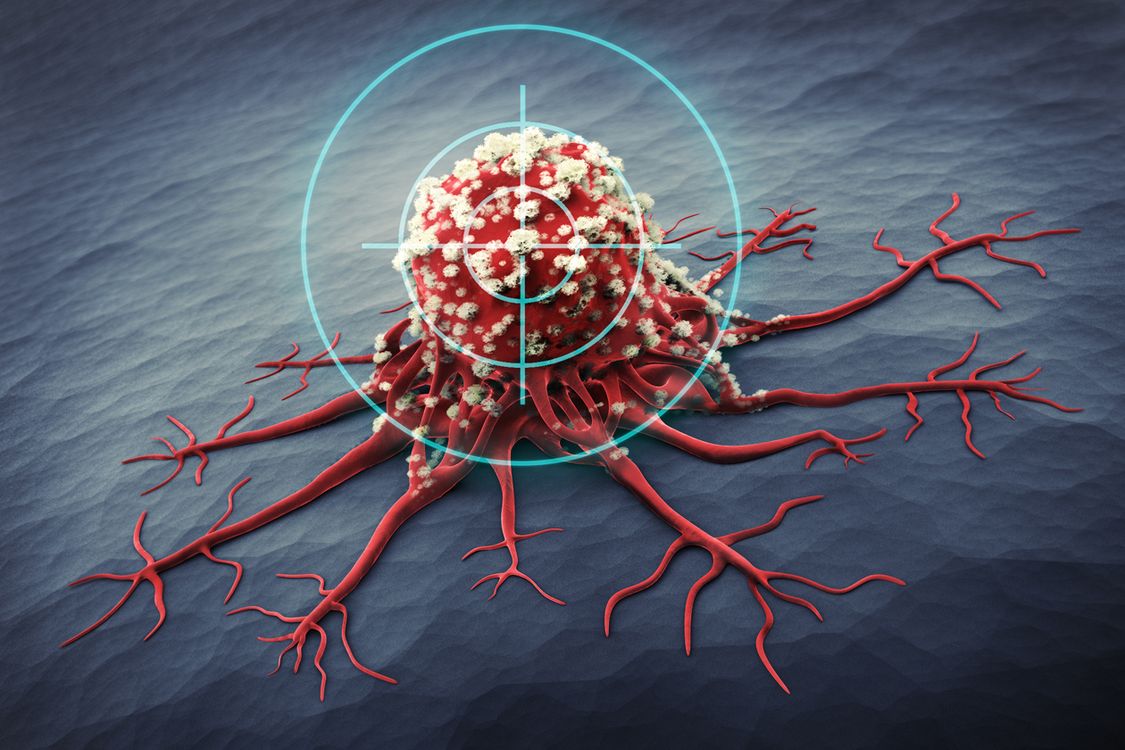
Does the cure for cancer and immortality hang on just this one thread?
Whatever your views might be, the reality is that some of the world’s finest research scientists are working on that exact question and some would say it is only a matter of a decade or two before this is neither conjecture nor science fiction, but a reality.
The quest for longevity continues, now intertwined with the quest for youth. It is clear that when we reach the stage where we can truly reverse aging, we will reverse aging across all of the body systems and organs, including the skin.
We have already made a lot of progress in some areas. In regards to skincare, we have moved from the dab of lanoline a generation ago to what I can now hold in my hand, as an anti-aging skin care treatment that basically works at the cellular level, either through nanotechnology (nanoparticles) or more invasive delivery methods. This is more than just a revolution – and I have no doubt in a few years I will be saying this cream will not just slow the aging process and reduce the visible signs of aging, making your face appear younger – but it will actually be younger.
Right now, we can “reverse” skin aging via procedures and products that stimulate collagen and elastin. We are not talking about creams that you apply to your outer skin but sterile injectables that work at the cellular level.
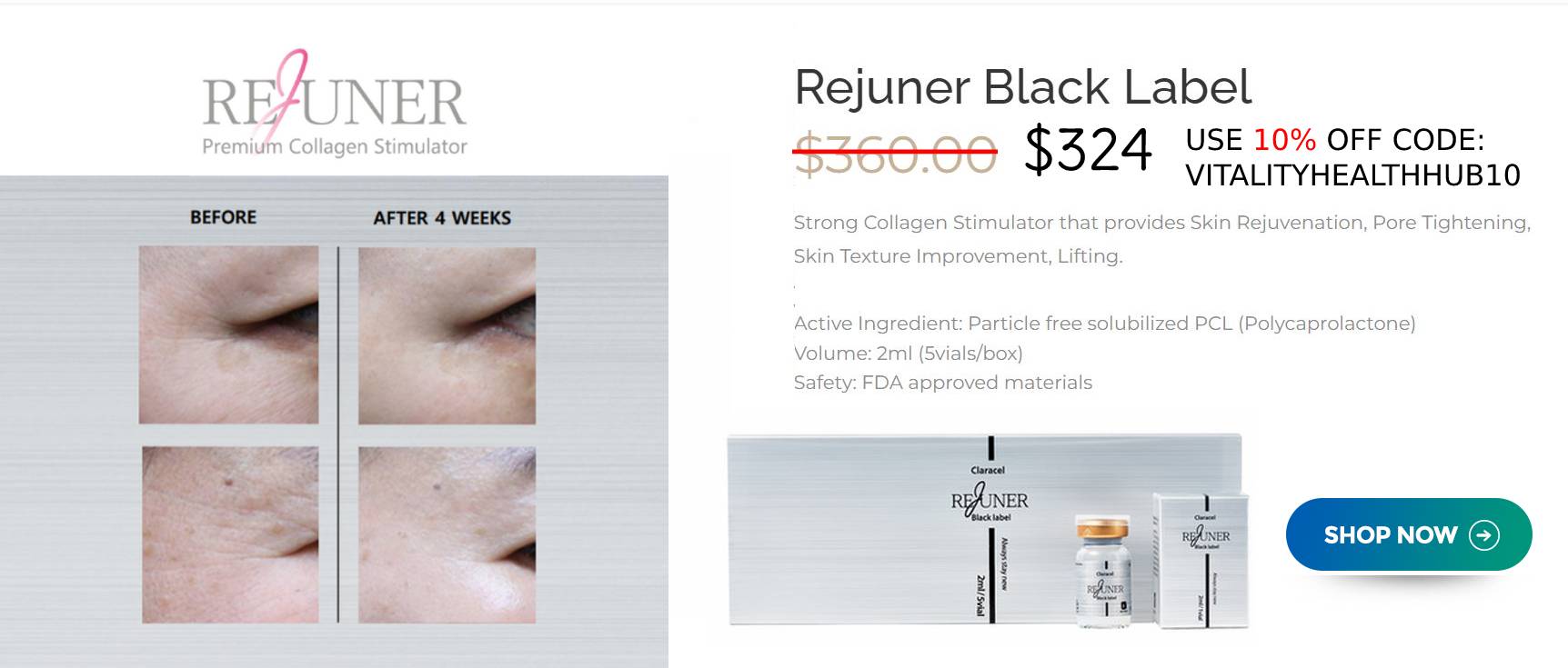
Yet, these bio-stimulators although highly efficient, do not lengthen your telomeres or have a systemic effect on the aging process. It acts locally, stimulating collagen and elastin production in that area.
As the secrets of our existence are unraveled in ever more minute detail, we are beginning to truly understand the aging mechanics and pathways.
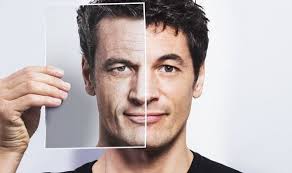
We now know, for example, that cell functions slow down as the body ages and that production of certain substances required by the body to regenerate decrease or cease completely.
It has been a long road to where we are now. Science has been looking for ways to slow down this process for centuries. The forming of life extension movements, however, did not really begin until around 1970.
Denham Harman, the originator of the so-called ‘free radical theory of aging’, decided that an organization dedicated to the research and information sharing between scientists working in biogerontology (the field of science concerned with the biological aspects involved in the aging process) was needed. As a result, the American Aging Association was formed.
In many ways, we are already able to extend lives to a certain extent. The average lifespan of a human being is already far greater than it used to be as a result of medical, pharmaceutical, and nutritional advances brought about by research and development.
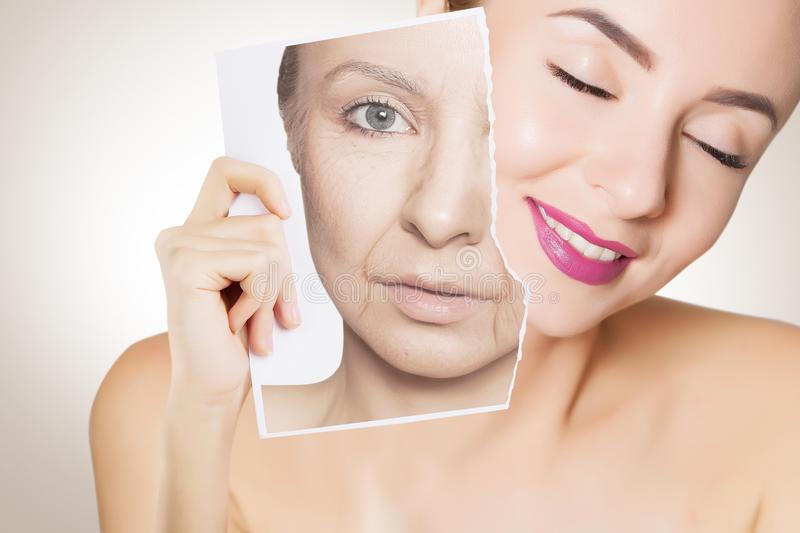
A greater understanding of how genetics and cellular processes affect the aging and condition of skin allows these research and development teams to investigate different compounds, their compatibility with human cells, and their genetic makeup.
Many compounds found in nature are not just compatible with human skin – it is more symbiotic than that. The skin cells actually have natural receptors for these compounds. Because life extension research has discovered these receptors, skin care developers can now use this knowledge and create the formulae for their products to provide maximum effect.
There are numerous breakthroughs in life extension research that are beginning to make themselves felt in skin care products. One such example is the research into stem cells. Stem cells are elements of all life, plant, animal, and human. Stem cells have two properties other cells do not have. These properties are the ability to develop into any kind of cell type and the ability to divide almost indefinitely. The use of plant stem cell extracts in skin care is likely to become one of the next ‘big things’ in the industry. And prepare for the debate when human stem cells are proposed as part of an anti-aging skincare regime, as will inevitably occur!
One thing we can be certain of is that science will continue to search for answers to the question of life extension, and business will drive the commercialization of discoveries. But whether these lead us to a utopian future or potentially a minefield of strife as we debate who will use and who will benefit from these new godlike powers.
In the meantime, at a practical level in the skincare, health, and beauty industries, let’s hope that we see the emergence of products that not only promise results but deliver them.
[ad_2]