[ad_1]
If there was a doubt in anyone’s mind as to whether pollution played a part in lifespan reduction, Mumbai shows empirical evidence that yes, it does indeed.
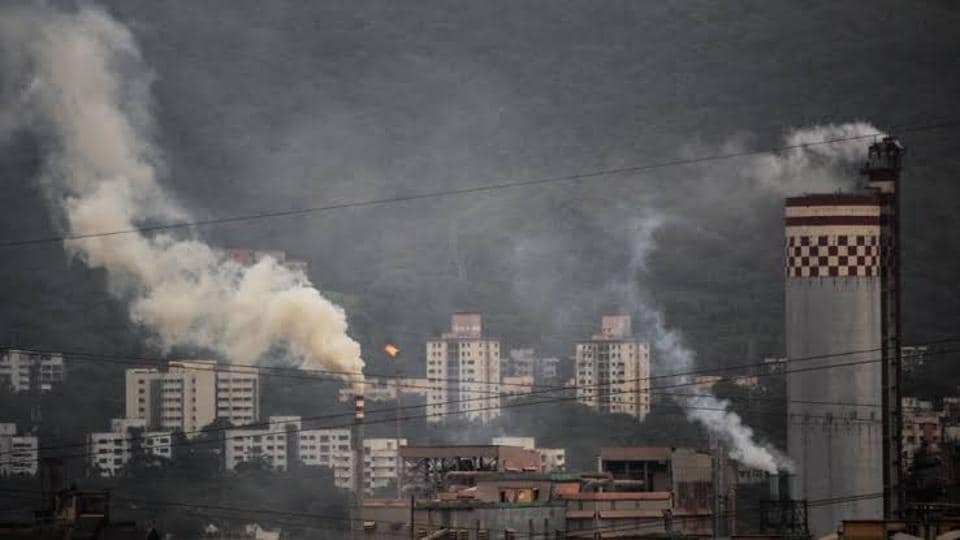
Mumbai residents fear breathing in polluted air and developing various pollution-related health problems as the city’s winter sets in early. Studies have shown that Mumbai’s air quality is declining drastically. According to the Energy Policy Institute’s Air Quality of Life Index (AQLI) report, exposure to PM2.5 reduces the average life expectancy of a person in Mumbai by 3.7 years.
The collaborative report “Air Quality and Health in Cities” by the US-based Global Burden of Disease Project, published in August 2022, ranked Mumbai as the 14th most polluted city in the world with average levels of PM2.5 at 45.1 mg/ cubic meter.
Greenpeace‘s 2021 South Asia analysis ranks Delhi as India’s most polluted megacity, followed by Mumbai, which ranks fifth most polluted in the world with the highest number of air-related fatalities (25,000) with air pollution.
According to Waatavaran Foundation CEO Bhagwan Kesbhat, Mumbai Municipal Corporation (MC) has sufficient funds but has not taken enough steps to improve air quality.
It should immediately set up a system to issue health warnings if the air quality deteriorates because the air pollution is a serious health risk and also an environmental hazard.
Poor air quality was also reported in other cities of Maharashtra, including Pune and Nagpur. With 97.60% of the state’s 12 million residents living in places with “hazardous or unacceptable levels of air pollution,” the state is at the top of the pollution pedestal.
The state is the “third most populous sub-national area in the world,” according to a World Bank Group study.
[ad_2]