[ad_1]
Menopause is seen by most as a natural phase of a woman’s life that occurs when menstruation stops. It is confirmed one year after the last period. However, the transition and symptoms of menopause can last for several years.
Although menopause is associated with a number of unpleasant symptoms and increases the risk of certain diseases, your diet can help reduce symptoms and ease the transition.
What is the best diet for a menopausal woman?
The best diet is as natural as possible. You don’t need a bunch of toxins and neurotoxins clogging your system.
- Switch from saturated to unsaturated fats by eating leaner meats, switching to unsaturated oils and spreads, opting for low-fat dairy and grilling instead of frying foods.
- Include fish, nuts, beans and legumes in your weekly diet at least once or twice.
- Consume four to five servings of unsalted nuts, seeds and legumes each week.
- Cut back on refined sugars such as candy, pastries and soft drinks.
- Avoid processed foods, such as ready meals, soups and sauces, and minimize salty snacks. Cooking from scratch allows for the use of various flavoring elements, such as herbs and spices.
- Try to eat at least two servings of oily fish each week, as they are rich in omega-3 fatty acids. Canned sardines, mackerel, salmon, trout and herring are examples of fatty fish.
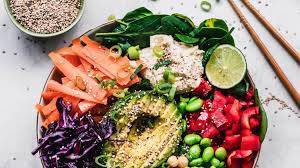
- Fruits and vegetables are rich in vitamins, minerals, fiber and other plant components, such as antioxidants, which protect the heart. Try to get your daily 5 a day from a variety of colorful fruits and vegetables. ALL types are countable (fresh, frozen, canned, dry or juice).
- Whenever possible, substitute high-fiber foods, such as whole-wheat bread, high-fiber breakfast cereals, and brown rice. Oats, whole grains, and bread, as well as legumes such as lentils, chickpeas, and beans, are heart-healthy sources of fiber.
What should I eat for breakfast during menopause?
Try to make a simple breakfast that contains the necessary amounts of all macronutrients such as healthy carbohydrates, fats and proteins. Also include fresh fruits and nuts/seeds in your breakfast for a healthy and nutritious meal.
What foods should I avoid in menopause?
It is well known that processed foods and added sweets significantly increase blood sugar levels. The more processed a food is, the greater its potential impact on blood sugar.
Consequently, restricting the consumption of added sugars and processed foods, such as white bread, cookies and baked goods, can help reduce menopausal hot flashes.
Alcohol and caffeine can also trigger or increase hot flashes in women. It is also recommended to avoid spicy food as it can cause gas and heartburn in certain people, especially when women are going through periods or menopause. Foods high in salt should also be avoided.
How much exercise should I do during menopause?
Moderate aerobic activity for at least 150 minutes per week or vigorous aerobic activity for at least 75 minutes per week is recommended for most healthy women. In addition, strength training should be performed at least twice a week. Feel free to spread your workouts throughout the week.
Aerobic exercise can help you lose weight and maintain a healthy weight. Try brisk walking, jogging, horseback riding, swimming, or water aerobics. Beginners should start with 10 minutes a day and gradually increase the intensity and duration. Regular strength training helps reduce body fat, build muscle and increase calorie expenditure.
Stretching can help increase flexibility. After each workout, while your muscles are warm and responsive to the stretch, set aside time to stretch. Balance exercises can help prevent falls by increasing stability.
What not to do during menopause?
The most important thing to remember is that you need to have a positive state of mind during menopause. You should closely monitor your diet during menopause and avoid foods that can trigger hot flashes and other symptoms.
Caffeine, alcohol and sugar, along with diets high in salt and spices, are thought to cause menopausal symptoms. Reducing your consumption of refined carbohydrates and highly processed foods, such as cookies, pretzels, chips, cookies, and candy, can help manage menopausal symptoms.
Keep a food and symptom log if you don’t know which foods will trigger your symptoms. Record how you feel before and after eating specific foods to identify potential triggers.
[ad_2]